Demand
Inference has become the dominant workload
AI inference demand has roughly doubled every 6–12 months since 2023. Over 70% of AI compute is projected to shift from training to inference by 2027 - speed to power is now the bottleneck.
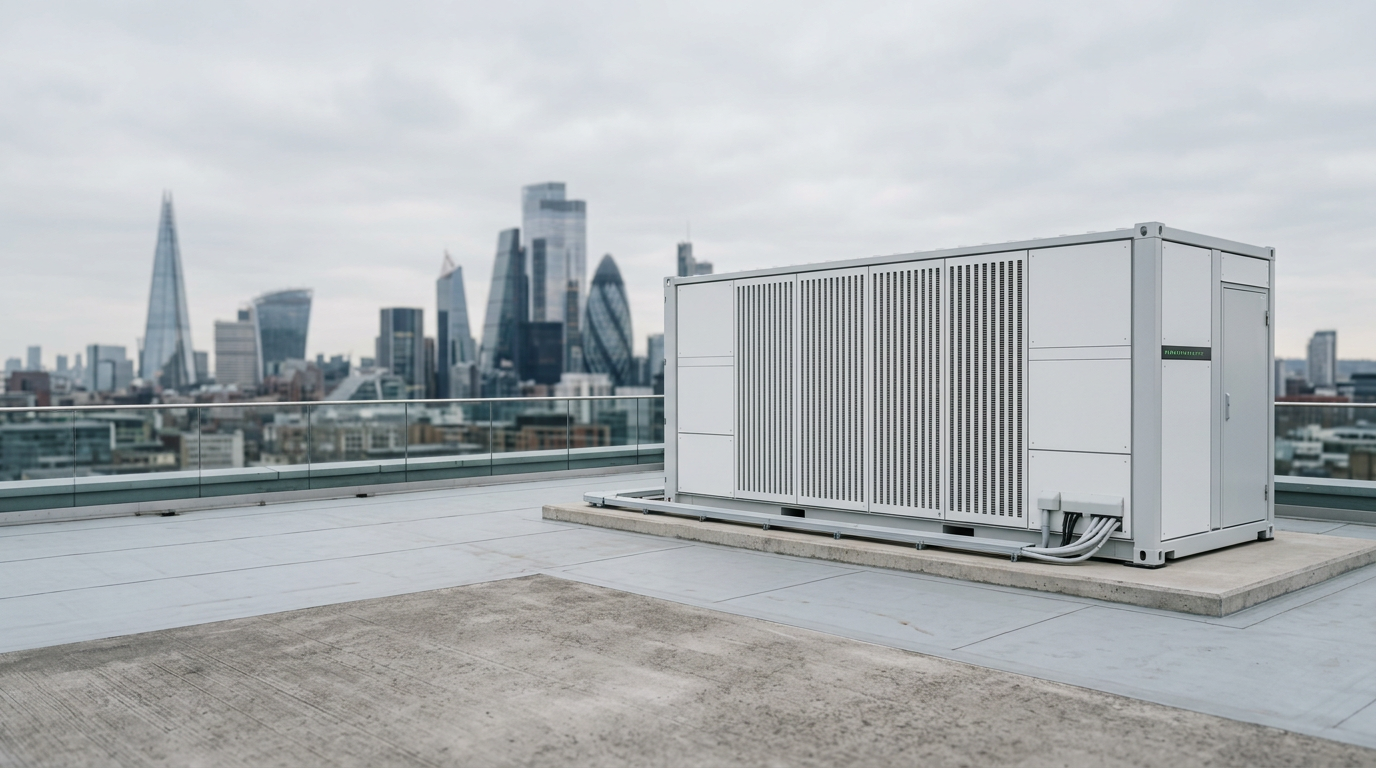
Agent-operated edge inference
Standard Compute turns energized building capacity into GPU inference at the metro edge - sited, dispatched, and monitored around the clock by AI agents.
Energized across major grid markets
Standard Compute turns permitted, energized building power into distributed AI inference in weeks, not years. Our agents find the idle capacity, place the workloads, and watch every GPU around the clock - all on the Standard Power grid that is live today.
New data centers wait years for a grid connection. Meanwhile, buildings across the country have electrical service sized for peaks they rarely reach. That capacity is already permitted, connected, and paid for.
1 McKinsey, global AI inference data center demand rising from 20.9 GW in 2025 to 93.3 GW in 2030. 2 U.S. Energy Information Administration Short-Term Energy Outlook, January 2026: US electricity use forecast to grow 1% in 2026 and 3% in 2027. 3 PJM Interconnection data, 2026: AI infrastructure entering service in 2025 averaged over seven years to operation.
AI inference demand has roughly doubled every 6–12 months since 2023. Over 70% of AI compute is projected to shift from training to inference by 2027 - speed to power is now the bottleneck.
New data center proposals face community opposition, and utility interconnection queues average five-plus years. Distributed, building-integrated infrastructure sidesteps every one of these blockers.
As AI shifts to agentic, voice, and video workflows, latency becomes a hard constraint. Centralized data centers add 20–500ms round-trip; metro-edge compute delivers sub-20ms responses they structurally cannot match.
Sources: Deloitte TMT Predictions (inference share of AI compute, 2025–2026); Gartner, AI-optimized IaaS forecast (inference spend overtaking training, 2026–2027); interconnection queue duration, Lawrence Berkeley National Laboratory, Queued 2025; edge vs. cloud round-trip latency, 2024 end-user measurement study.
The Standard Power Advantage
We manage 200+ MW of electrical service across 1,600+ properties at the edges of major metros. It's already permitted and connected, so compute placed there skips the interconnection queue and the wait for new transformers. Racks go live on power that's already there.
AI Agent Architecture
Three specialized agents work together across the full lifecycle of edge inference, from finding idle power to placing workloads to keeping every GPU healthy. No NOC required.
Capacity discovery, site scoring & provisioning
Scans every energized property in the Standard Power network, measures real headroom against historic load, scores each site for latency and demand, and provisions pods where capacity is idle - without a transformer queue.
2 pods provisioned this week
Introducing
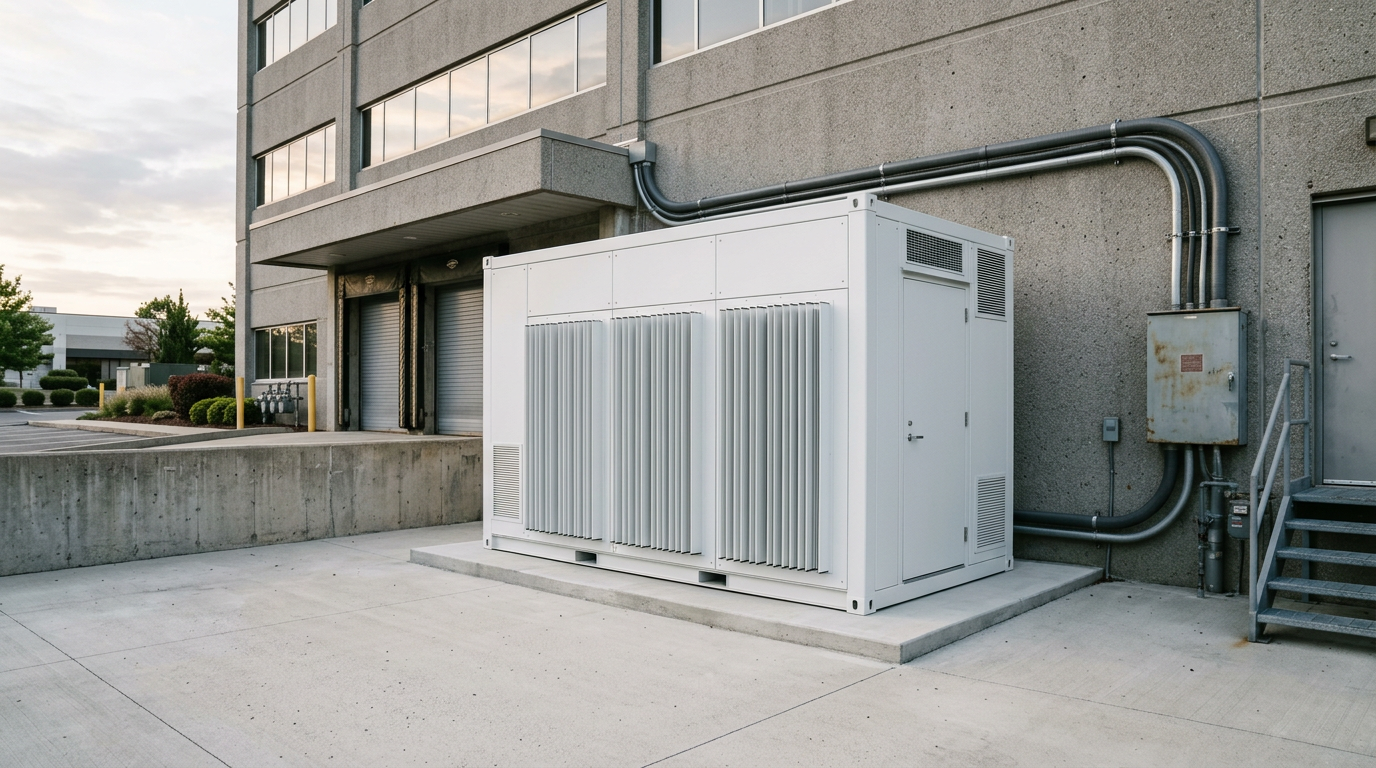
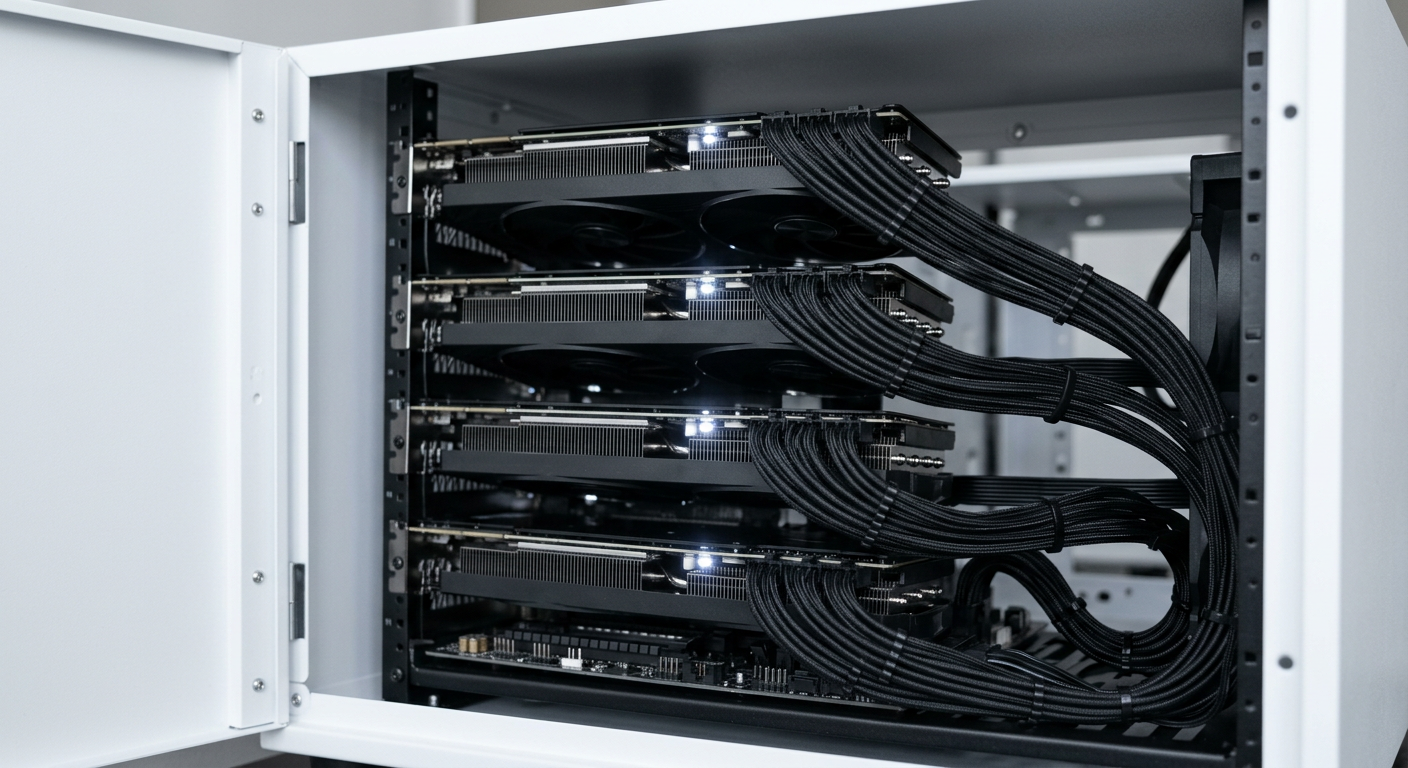
A self-contained pod housing up to 48 inference-grade GPUs, wired into power that is already permitted and energized - then handed to our agents to operate from day one.
Every GPU, breaker, and cooling loop watched 24/7 by the Operations Agent.
Locked, sensor-monitored enclosure with signed firmware and encrypted telemetry.
Self-contained cooling keeps GPUs at full clocks through summer peaks.
Weatherproof enclosure for rooftops, loading docks, and parking bays.
Connects to the panel already permitted and energized at the property.
Low-noise operation that is safe beside occupied buildings.
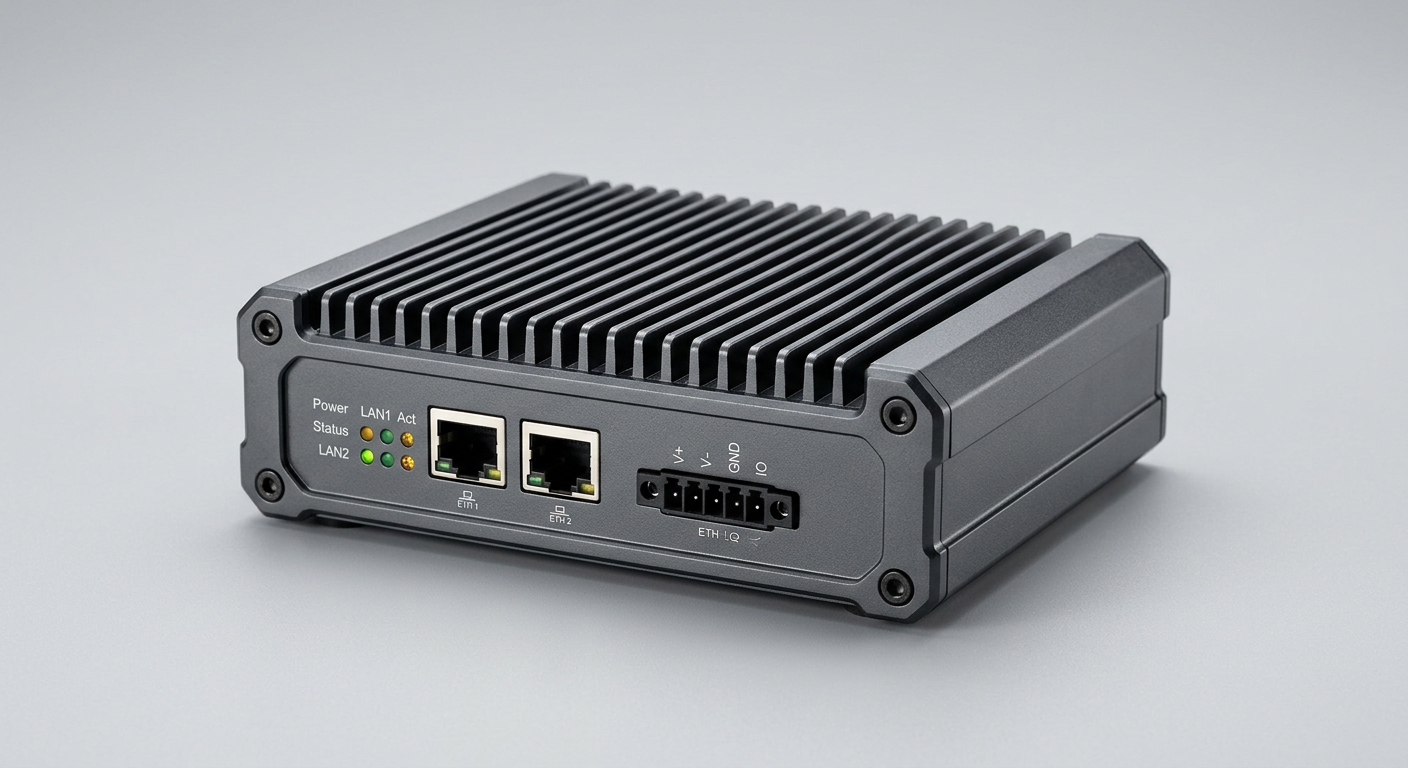
Standard Edge Controller
Each pod ships with a ruggedized edge controller that runs our dispatch and operations agents locally. It reads the building's electrical panel in real time, throttles GPUs before a breaker ever trips, and keeps control decisions on-site - even if the uplink drops.
The Dispatch Agent routes idle, energized power to Standard Pods in real time - from a single slice of a GPU to a cluster spanning an entire metro.
Slice Of Compute
Even a fractional slice of compute is available.
Individual GPU
Allocation to individual GPUs for fine-grained control.
Single Server
Power is routed to one server inside the pod.
Distributed Cluster
Example Bay Area propertiesPods across multiple properties operate as one seamless compute cluster.
Early access
Reserve agent-operated GPU capacity in your metro, or host a pod and earn from power your building already has.