Standard Orbital · A Standard Company
A ride to orbit, on a schedule.
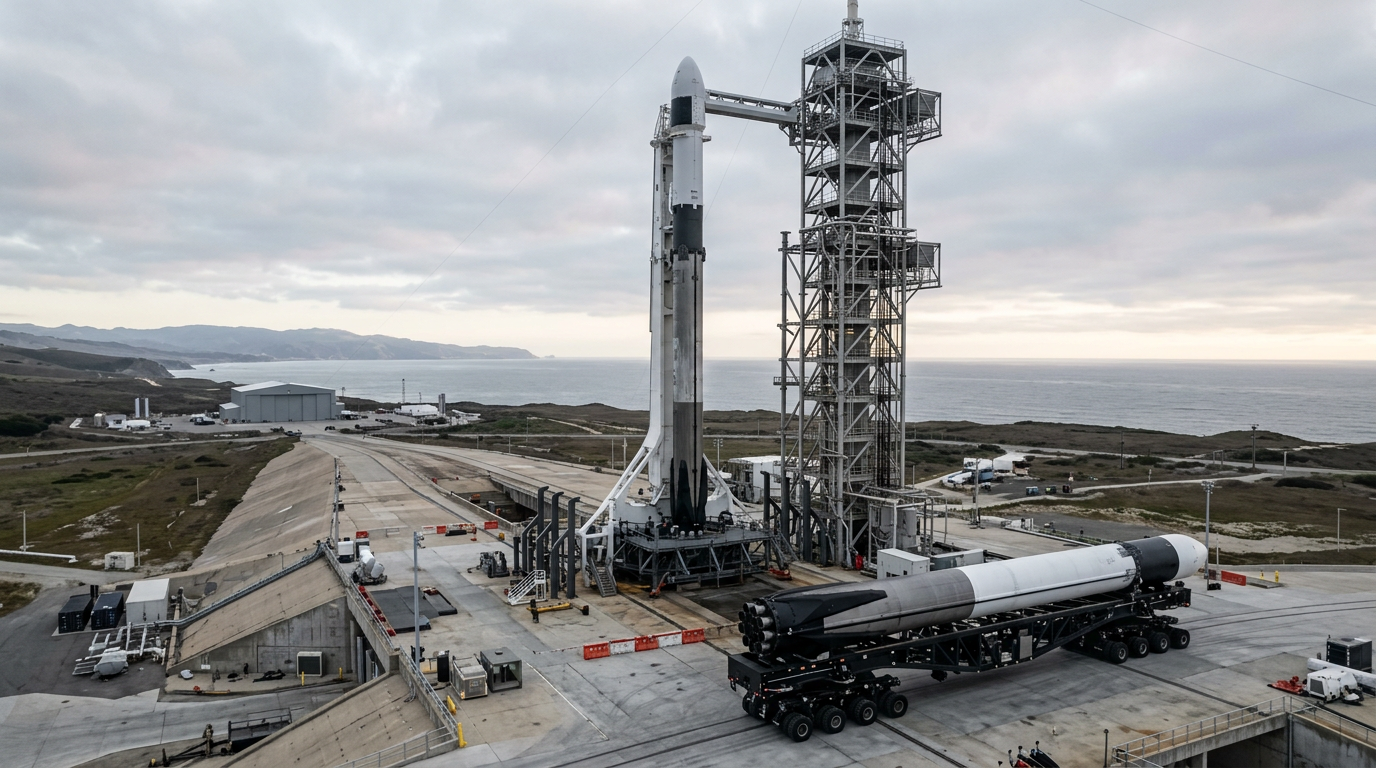
Reusable rockets that fly customer payloads to LEO, SSO, and beyond. Book a dedicated mission, or a plate on a rideshare flight at a published price.
- Payload to LEO
- 18,500 kg
- Payload to SSO
- 12,000 kg
- Booster reuse
- 30+ flights
- Rideshare from
- $300k
The vehicle
Two stages. Most of it comes back.
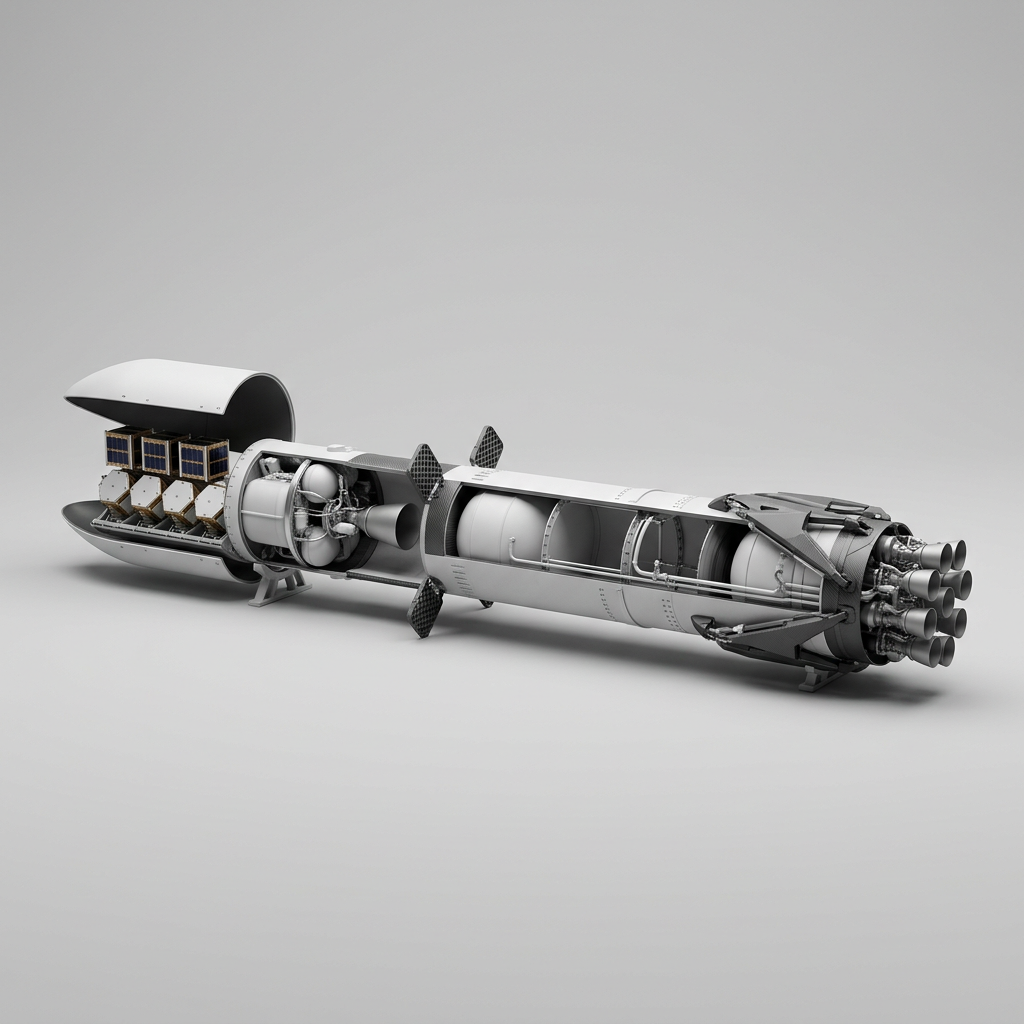
A 70 m two-stage rocket with a 5 m fairing. The booster and fairing are recovered and flown again, so most of the hardware on each mission has already been to space.
Reusable first stage
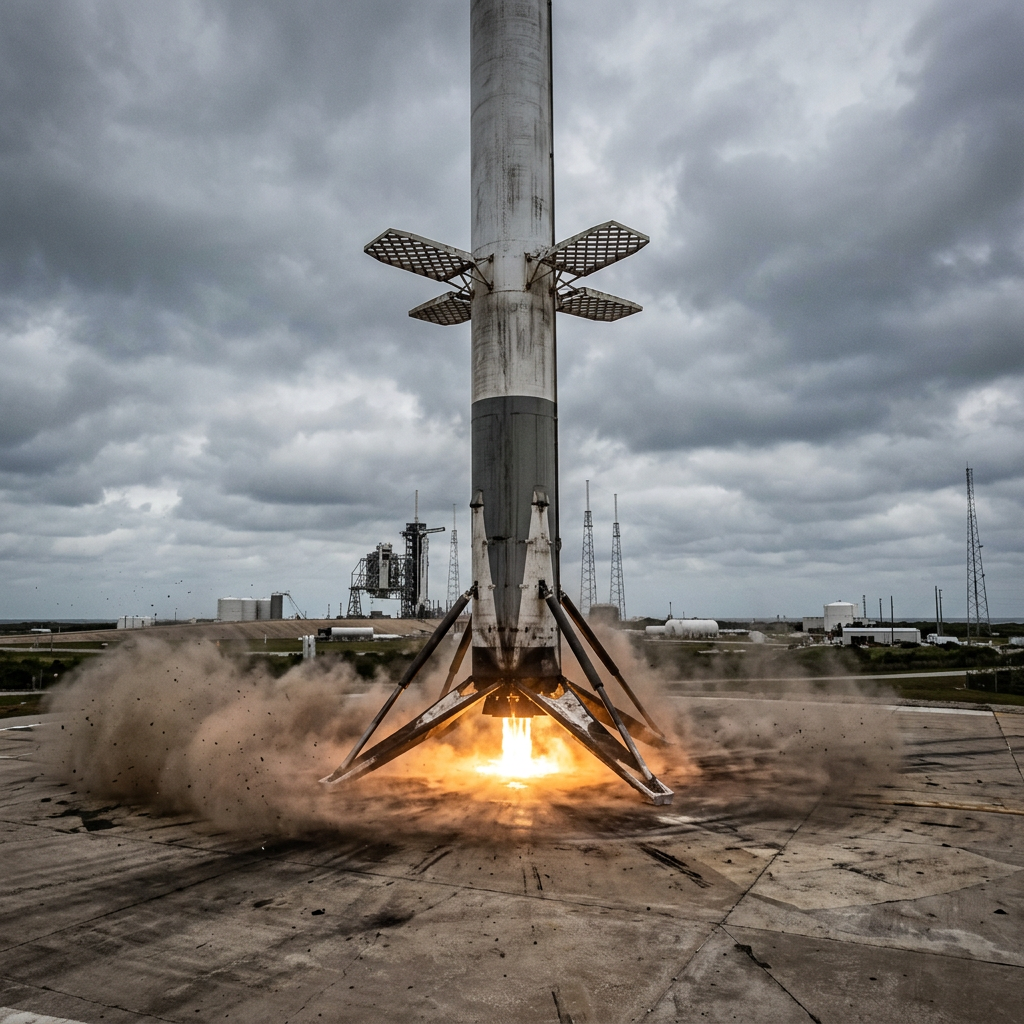
Nine sea-level engines on a common core. After stage separation the booster flips, relights, and lands on a pad or droneship for inspection and reflight.
Restartable upper stage
A single vacuum engine that relights multiple times, so one mission can drop payloads into several orbits on the way up.
Recovered fairing
A 5 m composite fairing that splits, glides back under parafoils, and is refurbished for the next flight.
Payload dispenser
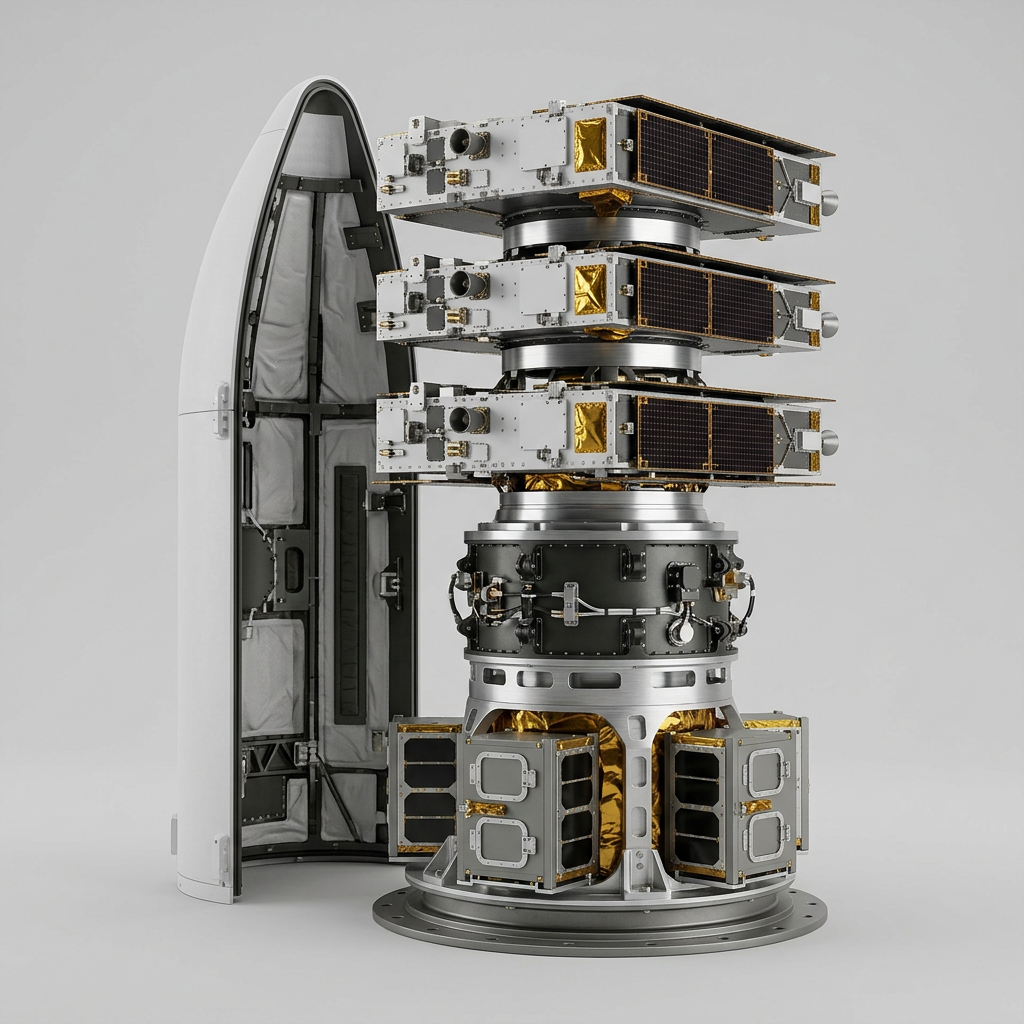
A stackable ring system with standard plate interfaces. Each customer gets its own separation event, timed to its target orbit.
Rideshare
Book a plate, not a rocket.
Dedicated rideshare missions for smallsats, with published prices and a fixed manifest. Reserve online the way you would book freight.
Published pricing
$300k
Covers 50 kg to sun-synchronous orbit. Additional mass is $6k per kg. Rates are also posted for mid-inclination LEO, GTO, and lunar transfer.
Fixed schedule
Every 3 months
Dedicated SSO rideshare missions fly on a published manifest, with mid-inclination flights in between. You plan around a date, not a primary customer.
Rebooking credit
100%
If your spacecraft is late, everything you have paid moves to a later mission, less a 5% rebooking fee.
| Slot | Interface | Included mass |
|---|---|---|
| Quarter plate | 8 in bolt pattern | 50 kg |
| Half plate | 8 or 15 in bolt pattern | 100 kg |
| Full plate | 15 or 24 in bolt pattern | 200 kg |
| Full plate, XL volume | 24 in bolt pattern | 300 kg |
| Top slot | Custom adapter | On request |
Larger spacecraft can take the top slot or a custom adapter. Ask us about payloads that need a different interface.
From reservation to orbit
- Step 1
Reserve online
Pick a mission, an orbit, and a plate. Pay the deposit.
- Step 2
Welcome package
Interface specs, environment levels, and a licensing checklist for your team.
- Step 3
Spacecraft data
Submit mass properties, CAD, and test results for integration analysis.
- Step 4
Arrive at L-30
Ship your spacecraft to our payload facility about 30 days before launch for processing.
- Step 5
Launch and deploy
Separation confirmation and state vectors are sent to you within minutes.
Reuse
The booster is the expensive part. So we land it.
Land, inspect, fly again
Boosters land within minutes of liftoff and turn around for the next mission in weeks.
Reuse sets the price
Recovering the booster and fairing lets us post a per-kilogram rate instead of quoting each mission.
Launch on owned power
Launch site operations draw on Standard Power batteries and Standard Equipment switchgear.
Tell us the orbit and the mass.
We will match you to the next rideshare mission with room, or scope a dedicated flight.